Blog
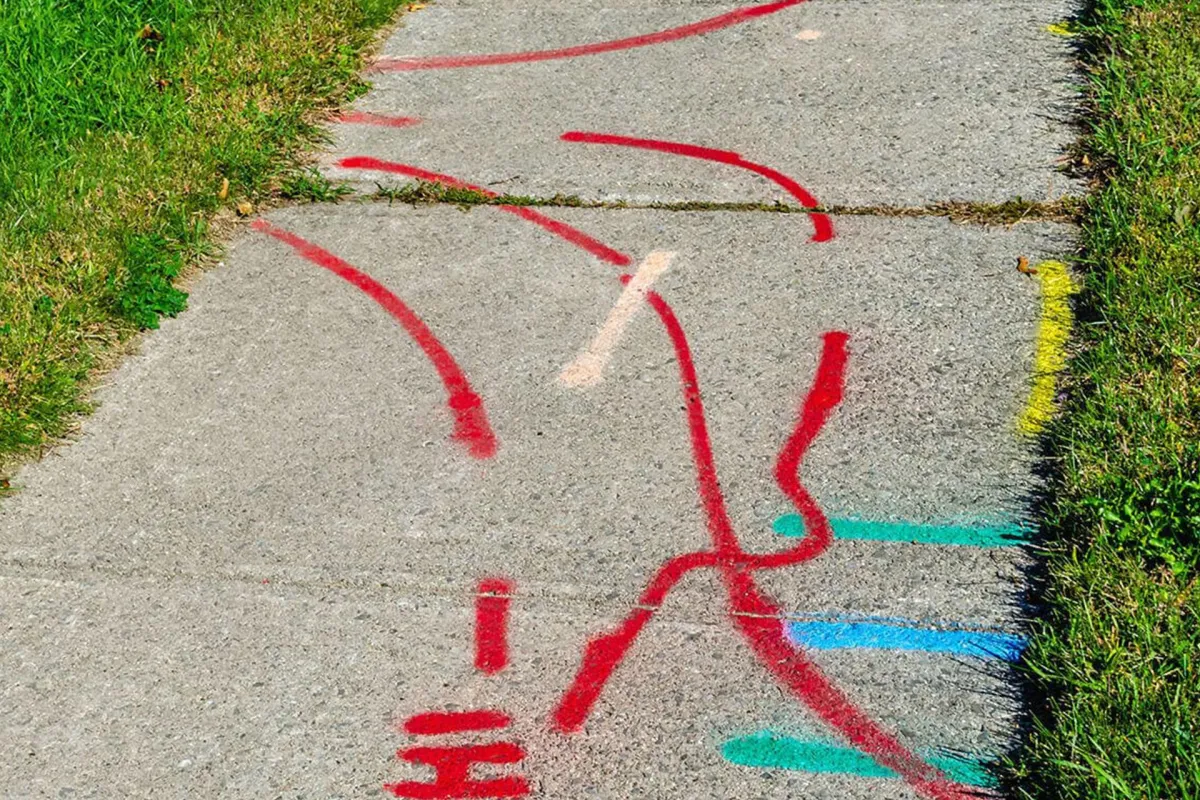
Why Some Underground Lines Don’t Get Marked Before Digging
Why Homeowners Notice This Only After Markings Appear
Most homeowners in Billings expect utility markings to represent everything underground. When markings appear and a line is later discovered outside those markings, it feels like a mistake. In reality, unmarked lines are usually not the result of error but of how utility ownership, records, and locating responsibilities are structured.
Understanding why some lines do not get marked helps explain why digging can still be risky even when the rules are followed.
What Utility Marking Is Actually Designed to Do
Utility marking exists to protect public utility infrastructure, not to create a complete underground map of private property. When a locate request is placed, utility owners respond by marking facilities they own and maintain within their responsibility area.
This distinction is critical. The marking process is not based on what exists underground, but on what a specific utility provider is responsible for locating.
The Most Common Reasons Lines Don’t Get Marked
Unmarked lines usually fall into identifiable categories. Each one reflects a limitation of the marking system rather than negligence.
Privately Owned Utilities
Lines installed and maintained by the homeowner are not part of public utility marking. This includes sewer laterals beyond the connection point, irrigation systems, propane lines, drainage systems, and many electrical runs to detached structures.
Lines Installed After Original Construction
Utilities added during remodels, additions, or repairs are often undocumented. These lines may never have been reported to any central record, especially on older Billings properties.
Abandoned or Out-of-Service Lines
Some utilities are disconnected but left in the ground. These lines may still appear during digging even though they are no longer active or owned by a utility company.
Incomplete or Outdated Records
In many neighborhoods, records reflect original layouts, not decades of changes. Utility paths may have shifted during emergency repairs or rerouting without updated documentation.
Why 811 Markings Can Still Be Accurate — And Incomplete
This is where many homeowners get confused. A locate can be done correctly and still leave unmarked lines behind.
Public utilities are marked based on their records and ownership limits. If a line falls outside those limits, it is not included, even if it crosses the dig area. This means markings can be accurate for what they cover while still leaving gaps that matter during excavation.
How Property Age Affects What Gets Marked
Older Billings neighborhoods are especially prone to unmarked utilities. Over time, properties accumulate layers of infrastructure that do not appear in original plans.
Homes built decades ago may have had utilities replaced, extended, or rerouted multiple times. Landscaping upgrades, detached structures, and drainage fixes often add private lines that were never recorded. As a result, the underground environment becomes far more complex than surface clues suggest.
Why Shallow Lines Are Often the Ones Missed
Shallow utilities are some of the most frequently damaged and least likely to be marked.
Many private systems are installed just below the surface. Irrigation laterals, landscape lighting, low-voltage wiring, and communication cables often sit well above the depth people expect. Because they are private and shallow, they are both unmarked and easy to hit during routine yard work.
What Happens When Utilities Cross Property Boundaries
Utilities do not always stay neatly within property lines. Some service lines cross yards to reach neighboring homes, alley connections, or shared infrastructure.
If a line serves another property or follows an easement that is not obvious, it may not be marked where a homeowner expects it. This can lead to surprises even when digging occurs far from the street or meter.
How Homeowners Can Misinterpret “Clear” Areas
An unmarked area is often assumed to be safe. In reality, it simply means no publicly owned utilities were identified there.
This misunderstanding leads homeowners to dig confidently in areas that may still contain private, abandoned, or undocumented lines. The absence of markings does not equal the absence of utilities.
Frequently Asked Questions About Unmarked Utilities
If a line isn’t marked, does that mean it’s safe to dig there?
No. It only means no public utilities were identified in that area.
Why wouldn’t a utility company mark all lines they know about?
They mark only the lines they own and are responsible for maintaining.
Are irrigation systems ever marked automatically?
No. Residential irrigation systems are private and must be located separately.
Can abandoned lines still cause problems if hit?
Yes. Some abandoned lines still contain materials or create structural issues when damaged.
Are unmarked utilities more common on older properties?
Yes. Older Billings properties are more likely to have undocumented additions and rerouted lines.
Conclusion
Some underground lines do not get marked before digging because they fall outside the scope of public utility marking. Private ownership, undocumented installations, abandoned infrastructure, and property changes over time all contribute to gaps in markings.
For homeowners in Billings, understanding these limitations is critical before any digging begins. When certainty matters, working with experienced professionals like Last Call Locating Inc. helps identify underground lines that public markings do not cover and reduces the risk of costly surprises.

OUR SERVICES

CONTACT INFORMATION
Phone:
Business Hours:
Mon - Fri: 9:00 AM – 5:00 PM
Sat & Sun: Closed
OUR LOCATION
© 2025 All Rights Reserved | Last Call Locating Inc. | Privacy Policy