Blog
What Happens If You Skip Utility Locating Before Digging?
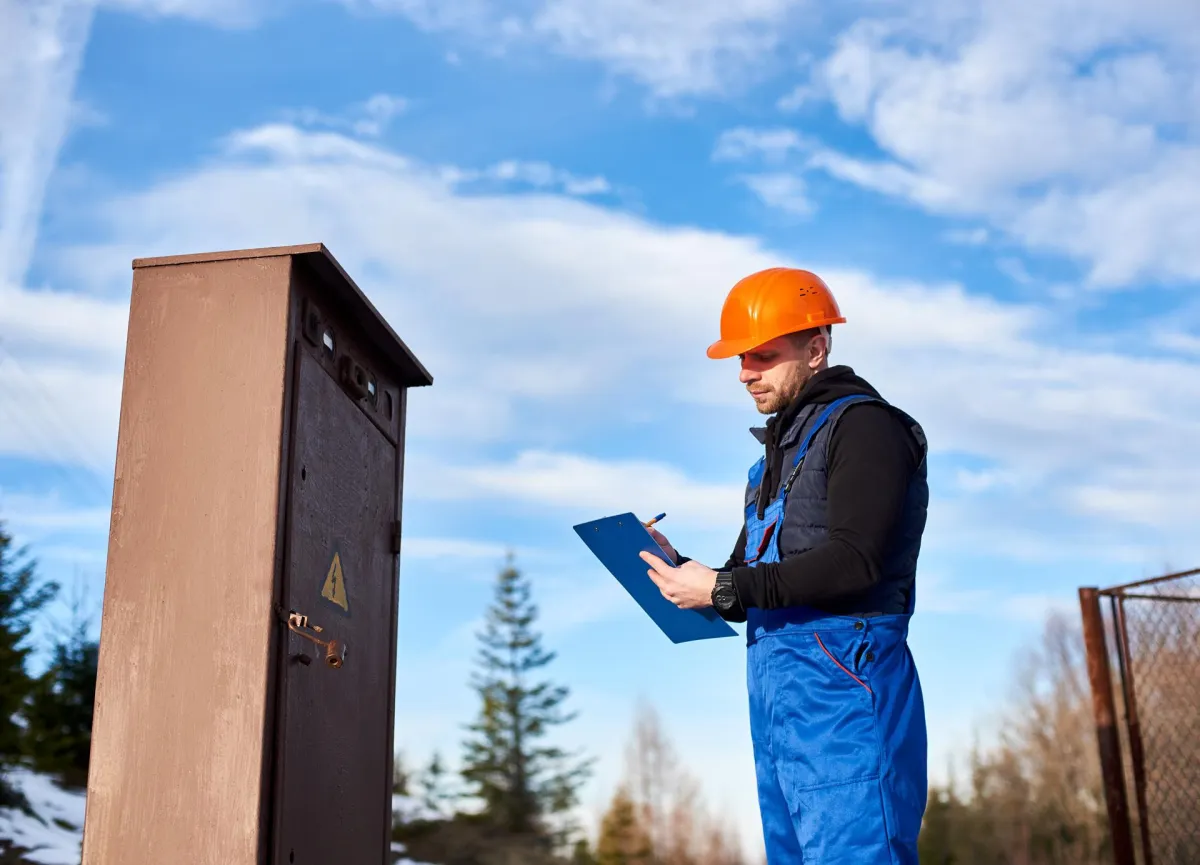
It Doesn’t Feel Risky—Until It Is
Skipping utility locating is often a decision made in the moment.
Maybe the project feels small. Maybe the timeline is tight. Maybe everything looks clear on the surface. So the assumption is simple: it should be fine to start digging.
But underground, nothing is ever fully visible.
In Montana, where property layouts can vary widely and private utility lines are common, skipping utility locating doesn’t remove risk—it just delays when you face it.
What You’re Actually Digging Into
Before understanding the consequences, it helps to recognize what may be below your property.
Even in a typical residential setting, underground systems can include:
Electrical lines running to structures
Water and irrigation systems
Sewer connections
Communication cables
Many of these lines don’t have visible indicators above ground. Without locating, you’re relying on guesswork rather than confirmed information.
The Immediate Consequences of Skipping Utility Locating
When a utility line is hit, the effects are usually immediate and disruptive.
Sudden Service Interruptions
Damaging a line can cut off essential services such as power or water—not just for your property, but potentially for nearby areas as well.
Emergency Repairs
Repairs often need to happen right away.
This means:
Bringing in specialized crews
Sourcing materials quickly
Paying for urgent service
Emergency work is rarely cost-efficient, and it can escalate expenses quickly.
Work Stoppage
Excavation typically stops until the issue is resolved.
This can disrupt:
Project schedules
Contractor availability
Equipment usage timelines
Even short interruptions can create a ripple effect across the entire project.
The Financial Impact Goes Beyond Repairs
The cost of hitting a utility line isn’t limited to fixing the damage.
It often includes additional expenses that weren’t part of the original plan.
Rework and Lost Progress
Work that has already been completed may need to be undone and redone after repairs are made.
Equipment and Labor Downtime
Idle crews and unused equipment still represent ongoing costs, even when work is paused.
Potential Liability
In some cases, damage can extend beyond your property, leading to additional financial responsibility.
Why the Risk Is Higher in Montana
Montana properties present specific challenges that increase the likelihood of unexpected issues.
Private Utility Lines Are Common
Many properties have lines that are not covered by public marking services.
Layouts Are Not Always Documented
Older properties or modified systems may not follow predictable patterns.
Ground Conditions Vary
Rocky soil, compact ground, and seasonal freezing can affect both digging and detection.
These factors make it less reliable to assume where utilities are located.
A Closer Look at the Decision to Skip
To understand the impact more clearly, it helps to compare two approaches.
Digging Without Utility Locating
You rely on assumptions about underground conditions
You accept the possibility of unexpected damage
You prepare to react instead of prevent
Digging With Utility Locating
You have a clear map of underground utilities
You reduce uncertainty before starting
You prevent issues rather than responding to them
The difference lies in whether you’re managing risk or exposing yourself to it.
When Skipping Might Seem Justified—but Isn’t
There are situations where skipping utility locating may feel reasonable, but still carries risk.
Small Projects
Even shallow digging can hit utility lines. The size of the project doesn’t eliminate the possibility of damage.
Familiar Properties
Knowing your property doesn’t always mean knowing what’s underground—especially if changes have been made over time.
Tight Deadlines
Skipping locating to save time often leads to delays later if something goes wrong.
The Long-Term Effects on Your Project
The consequences of skipping utility locating don’t always end with a single repair.
They can affect:
Overall project timelines
Budget accuracy
Future planning decisions
Repeated issues can also reduce confidence in project outcomes, especially for contractors managing multiple jobs in Montana.
How Utility Locating Changes the Outcome
Utility locating shifts your approach from reactive to proactive.
Instead of dealing with problems after they happen, you:
Identify risks ahead of time
Plan around existing utilities
Maintain control over your project
This approach not only reduces financial risk but also improves efficiency.
FAQs About Skipping Utility Locating
Is it ever safe to skip utility locating?
If you’re digging and don’t have verified information about underground utilities, skipping it always carries risk.
Can small digging projects still cause damage?
Yes. Even minor excavation can come into contact with buried lines.
Does 811 cover everything?
No. Public services typically mark only main utility lines, not private ones on your property.
What is the most common issue when utilities are hit?
Service interruptions and the need for immediate repairs are among the most common consequences.
Can utility locating prevent all problems?
It significantly reduces risk, but proper digging practices should still be followed.
Conclusion
Skipping utility locating may seem like a way to save time or reduce upfront costs, but it often leads to greater expenses, delays, and complications once digging begins.
In Montana, where underground systems are not always visible or predictable, taking that risk can quickly turn a straightforward project into a costly problem.
For property owners and contractors preparing to excavate, working with experienced professionals like Last Call Locating Inc. helps ensure that you start with accurate information—so you can avoid unnecessary damage, stay on schedule, and move forward with confidence.

OUR SERVICES

CONTACT INFORMATION
Phone:
Business Hours:
Mon - Fri: 9:00 AM – 5:00 PM
Sat & Sun: Closed
OUR LOCATION
© 2026 All Rights Reserved | Last Call Locating Inc. | Privacy Policy
Website Done By: LocalEyes