Blog
How Much Does Utility Locating Cost in Billings, MT?
What You Should Expect Before You Dig
Before starting any excavation project—whether it’s installing a fence, digging trenches, or working on a new build—one of the first questions that comes up is cost. Not just for materials or labor, but for the steps that happen before digging even begins.
Utility locating is one of those steps that many property owners in Montana don’t fully understand until they need it. And once they do, the natural question follows: how much does it actually cost?
The answer isn’t a single flat number. It depends on several factors, including the type of utilities, the size of the property, and the complexity of the job. Understanding these variables can help you budget properly and avoid much bigger expenses later.
What Is Utility Locating and Why It Matters
Utility locating is the process of identifying underground lines before any digging takes place. These lines can include:
Electrical systems
Water and sewer lines
Gas lines
Communication cables
In Montana, especially around areas like Billings where both residential and commercial development continues to grow, underground infrastructure can be more complex than it appears from the surface.
While services like 811 can mark public utilities, they often don’t cover private utility lines—the ones running on your property. That’s where private utility locating services come in.
Without proper locating, a single dig can result in:
Expensive repairs
Project delays
Safety hazards
Legal liability
Because of this, utility locating isn’t just an added cost—it’s a protective step in any excavation process.
What Does Utility Locating Cost in Billings, Montana?
Instead of a fixed price, utility locating in Montana is typically priced based on the scope of the project.
Here are the key factors that influence the cost:
Size of the Area
Larger properties require more time and equipment to scan thoroughly. A small residential yard will cost significantly less than a multi-acre commercial site.
Type of Utilities Being Located
Some utilities are easier to detect than others.
Standard lines like water or electric are typically straightforward
Complex systems or unknown layouts require more advanced methods
The more complex the system, the higher the cost.
Depth and Accessibility
Utilities buried deeper or located under concrete, asphalt, or dense soil conditions common in parts of Montana may take longer to locate accurately.
Equipment and Technology Used
Advanced locating tools such as electromagnetic detection or ground-penetrating methods can impact pricing, especially for high-precision work.
Urgency of the Job
If you need same-day or emergency service, expect pricing to reflect the faster turnaround.
Typical Cost Range for Utility Locating
While exact pricing varies, most property owners in Billings can expect costs to fall into different ranges depending on the job:
Smaller residential projects tend to be on the lower end
Mid-size projects increase based on complexity
Large or commercial sites require more time and resources
Rather than focusing only on the upfront cost, it’s more useful to compare it to the potential cost of damage—which can easily reach thousands of dollars from a single mistake.
Is Utility Locating Worth the Cost?
To understand the value, it helps to compare the risks.
Without Utility Locating
Higher chance of hitting underground lines
Unexpected repair costs
Delays that disrupt your project timeline
With Utility Locating
Clear guidance on where it’s safe to dig
Reduced risk of damage or injury
Better planning and smoother project execution
For most projects in Montana, the cost of locating utilities is minimal compared to the consequences of skipping it.
How Utility Locating Works Before Your Project
If you’re planning a project in Billings or nearby areas, the process is straightforward.
1. Schedule the Service
Provide details about your project, including location and scope.
2. Site Evaluation
A technician reviews the property and determines which utilities need to be located.
3. Detection and Marking
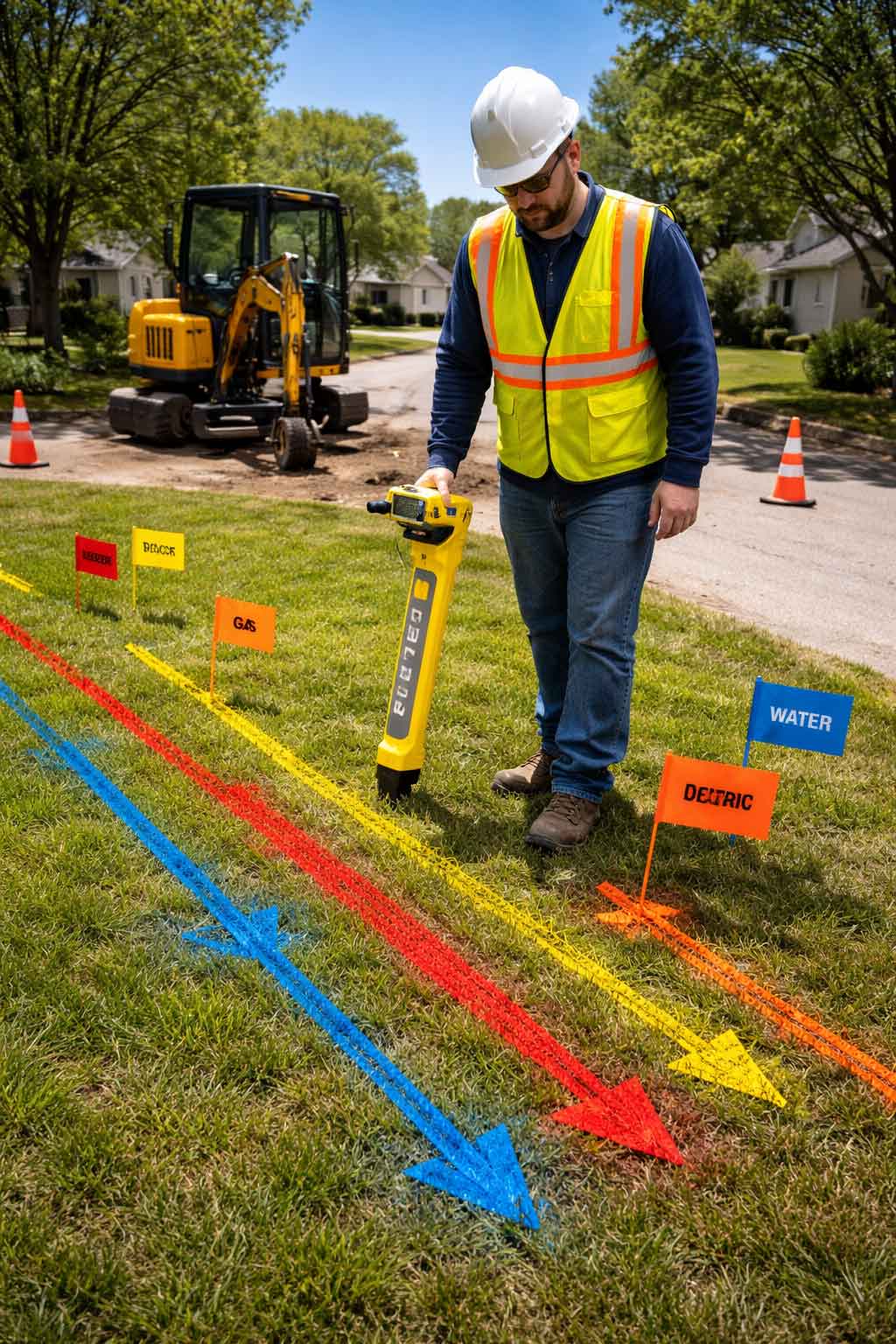
Specialized equipment is used to identify underground lines and mark them clearly.
4. Review and Clearance
You get a clear understanding of where it’s safe to dig and where caution is needed.
Factors Unique to Montana That Affect Cost
Utility locating in Montana comes with regional considerations that can influence pricing.
Soil Conditions
Rocky or compact soil can make detection more time-intensive.
Seasonal Changes
Frozen ground during colder months may affect how easily utilities can be located.
Property Types
Rural properties may have less documented infrastructure compared to urban areas like Billings.
These factors highlight why local experience plays an important role in accurate locating.
FAQs About Utility Locating Costs
How much does utility locating cost per visit?
Costs vary depending on the size and complexity of the property, typically based on time, equipment, and scope.
Is private utility locating required in Montana?
Public utilities are marked through 811, but private lines often require separate locating services.
Can utility locating prevent all damage?
It significantly reduces risk, but safe digging practices should still be followed.
How long does utility locating take?
Most residential jobs are completed quickly, while larger projects may take more time.
Do I need utility locating for small projects?
Yes, even small digging projects can hit underground lines, making locating a smart precaution.
Conclusion
Utility locating is not just an added expense—it’s a critical step that protects your project, your property, and your safety.
In Montana, where underground conditions and layouts can vary widely, knowing what lies beneath the surface gives you a clear advantage before any digging begins.
For property owners and contractors in Billings, working with experienced professionals like Last Call Locating Inc. helps ensure that projects start with the right information—reducing risk, avoiding costly mistakes, and keeping everything on track from the very first dig.

OUR SERVICES

CONTACT INFORMATION
Phone:
Business Hours:
Mon - Fri: 9:00 AM – 5:00 PM
Sat & Sun: Closed
OUR LOCATION
© 2026 All Rights Reserved | Last Call Locating Inc. | Privacy Policy
Website Done By: LocalEyes