
Blog
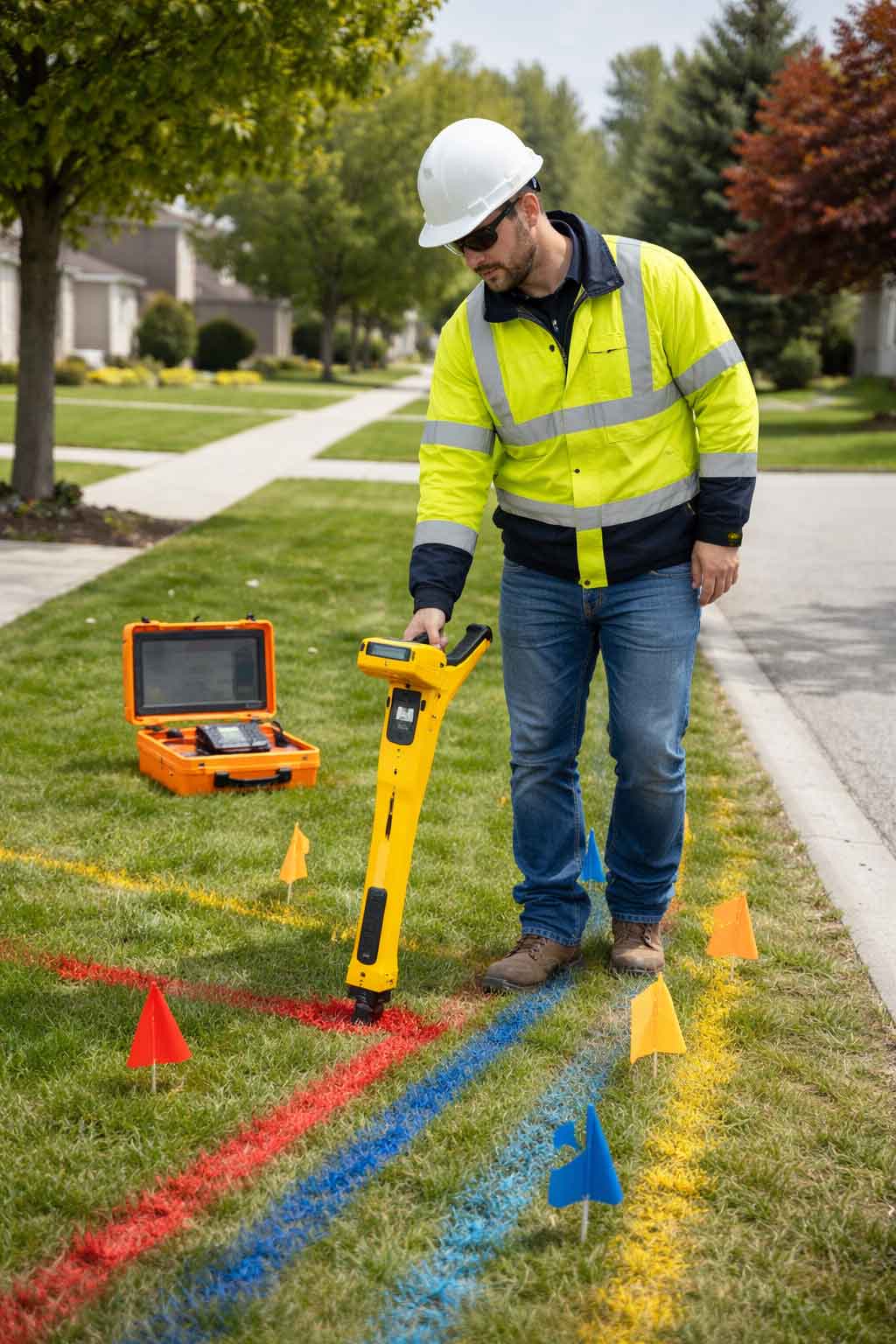
How Does Electric Line Locating Work for Property Owners?
What Happens Before You Ever Start Digging
For most property owners, underground electrical lines are out of sight and out of mind—until a project requires digging.
That’s when uncertainty starts. Where exactly do the lines run? How deep are they? Are they even documented?
Electric line locating answers these questions before excavation begins. It’s a process designed to give you a clear map of what’s below your property so you can move forward safely.
In Montana, where properties range from compact residential lots to larger rural spaces, understanding how this process works helps you avoid mistakes and plan your project with confidence.
What Electric Line Locating Actually Means
Electric line locating is the process of identifying and marking underground electrical lines on your property.
These lines can include:
Power lines from the meter to buildings
Electrical connections to garages, sheds, or outdoor systems
Underground wiring for lighting or other features
Unlike public utility marking, which typically stops at the main connection point, electric line locating focuses on private electrical systems within your property boundaries.
For property owners, this means getting a complete picture—not just part of it.
How the Process Works Step by Step
To understand how electric line locating works, it helps to follow the actual sequence of what happens during a service visit.
1. Initial Project Details
The process starts with basic information.
You provide details such as:
The location of your property
The type of project you’re planning
Areas where digging will occur
This helps determine the scope of the locating work.
2. On-Site Assessment
Once on-site, the technician evaluates the property.
This includes:
Identifying visible electrical components
Determining possible line paths
Noting any obstacles or access points
This step sets the foundation for accurate detection.
3. Signal Application
A signal is applied to the electrical system to make the underground line traceable.
This allows the technician to follow the path of the line beneath the surface without digging.
4. Tracing the Line
Using specialized equipment, the technician tracks the signal along the path of the electrical line.
This step requires careful attention, especially if:
The line changes direction
Multiple lines are present
Interference from other utilities occurs
The goal is to map the full route of the electrical line.
5. Surface Marking
Once the line is traced, it is marked clearly on the ground.
Markings show:
The path of the line
Key points where caution is needed
These visual guides help you understand exactly where it’s safe to dig and where to avoid.
6. Final Review
After marking is complete, the technician reviews the results with you.
You’ll have a clear understanding of:
Where electrical lines are located
How they run across your property
Areas that require extra care during excavation
What Makes Electric Line Locating Different From General Utility Locating
While both processes are similar, electric line locating focuses specifically on electrical systems.
This comes with a few important differences:
Electrical lines may require signal connection to trace accurately
Some lines may be harder to detect depending on material and condition
Faults or interruptions in the line can affect signal strength
Because of this, locating electrical lines often requires more targeted methods compared to general utility locating.
How Montana Conditions Affect the Process
Electric line locating isn’t performed in a vacuum—it’s influenced by the environment.
In Montana, several factors can impact how the process works.
Soil Type
Rocky or compact soil can affect signal transmission and detection.
Seasonal Ground Changes
Frozen ground during colder months can make both detection and marking more challenging.
Property Layouts
Larger or rural properties may have longer electrical runs with fewer visible indicators.
These conditions don’t prevent locating, but they can influence how the process is carried out.
What Property Owners Should Do Before the Visit
Preparing ahead of time helps the process go smoothly and efficiently.
Here’s what you can do:
Identify the areas where you plan to dig
Clear access to key parts of the property
Share any known information about existing electrical lines
Be available to review markings after completion
These steps help ensure accurate results and reduce the need for repeat work.
What You Get After Electric Line Locating
After the service is completed, you’re left with more than just markings on the ground.
You gain:
A clear visual guide for safe digging
Better awareness of your property’s layout
Reduced risk of damaging electrical systems
This clarity is what allows you to move forward with confidence.
Common Misunderstandings About Electric Line Locating
There are a few assumptions that often lead to confusion.
“I don’t need it for small projects”
Even minor digging can hit underground electrical lines. Size doesn’t eliminate risk.
“Public utility marking covers everything”
Public marking services usually stop at the main connection point. Private lines still need to be located separately.
“I can estimate where lines are”
Utility layouts aren’t always predictable, especially on properties with past modifications.
FAQs About Electric Line Locating
How accurate is electric line locating?
When performed professionally, it provides highly accurate guidance, though safe digging practices should still be followed.
How long does the process take?
Most residential properties can be completed within a short time, while larger or more complex sites may take longer.
Do I need to be present during the service?
It’s helpful but not always required. Being present allows you to review results directly.
Can electric line locating find damaged lines?
Yes, in many cases it can help identify faults or problem areas within the line.
Is this necessary for every excavation project?
If your project involves digging near potential electrical lines, it’s strongly recommended.
Conclusion
Electric line locating is a straightforward process, but its impact on your project is significant.
By identifying where underground electrical lines run, you eliminate guesswork and reduce the risk of costly mistakes before digging begins.
In Montana, where property layouts and underground conditions can vary, having that level of clarity is especially important.
For property owners planning any excavation work, partnering with experienced professionals like Last Call Locating Inc. ensures that electric lines are located accurately—helping you move forward safely, avoid unnecessary damage, and keep your project on track from start to finish.

OUR SERVICES

CONTACT INFORMATION
Phone:
Business Hours:
Mon - Fri: 9:00 AM – 5:00 PM
Sat & Sun: Closed
OUR LOCATION
© 2026 All Rights Reserved | Last Call Locating Inc. | Privacy Policy
Website Done By: LocalEyes